
Videos combine audio, animations, graphs, maps, and footage from faraway places to bring information to life. SubjectToClimate gathered 15 climate change videos for kids — from two full video series to short standalones on solutions, food, weather, hurricanes, and the history of climate science.
Each video below includes grade levels, subjects, and a direct link to the full resource on SubjectToClimate. Filter by grade band (3–5, 6–8, 9–12) to jump straight to what fits.
The 15 Videos
Showing 15 of 15 videos
Our Climate Our Future Series

- Watch 11 short chapters from CO2 basics to solutions and action
- Pause for the animations, graphs, and discussion prompts
- Assign one chapter a week or use the discussion guide as journal prompts
Youth Climate Stories
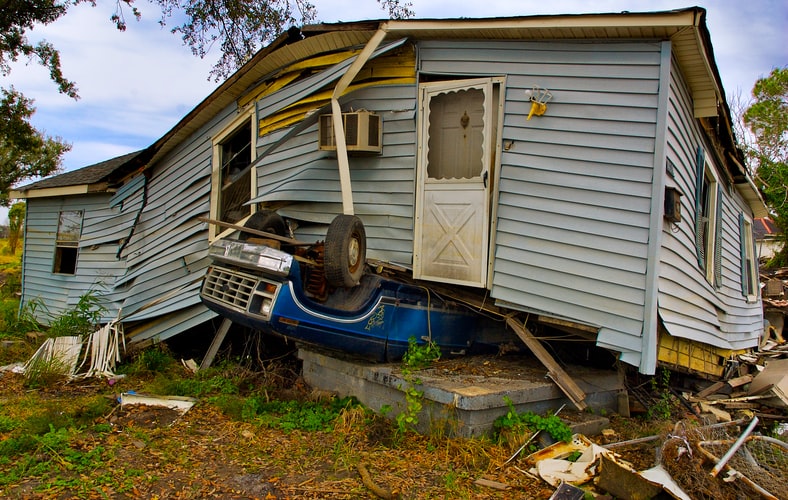
- Hear 22 youth activists describe climate impacts in their towns
- Pick one story that matches your region or topic
- Journal: how did it feel, and what is the activist doing about it?
The Solution to Climate Change Is All Around Us
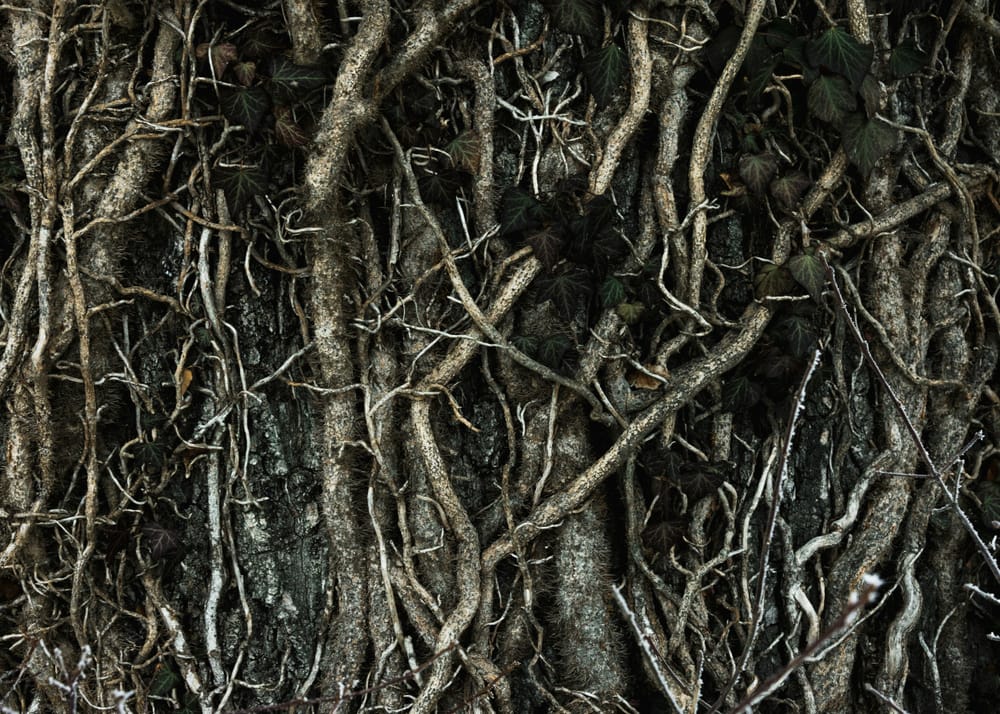
- Tour forests, wildlife, and coastal habitats that store carbon
- Learn why nature solutions only work if emissions stop
- Research one habitat and present how to protect it
The Key to Fighting Climate Change: Talk About It

- Hear Hayhoe reframe climate talk as hopeful, not hopeless
- Note her tips for starting conversations that stick
- Role-play a climate conversation with a partner
Climate Change 1958: The Bell Telephone Science Hour

- Watch scientists warn about warming — in 1958
- Spot the animation of seas flooding the Mississippi Valley
- Debate: why did the world wait decades to act?
Who Is Responsible For Climate Change?
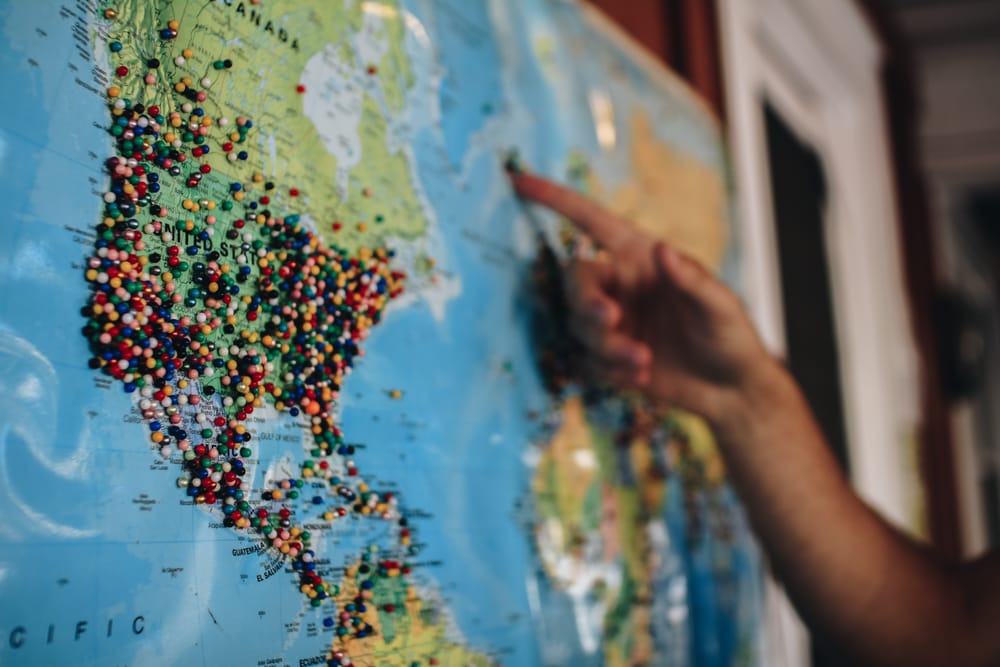
- Compare total vs per-capita emissions by country
- Weigh who should pay for clean energy abroad
- Stage a debate: do wealthy nations owe green investment?
How to Change Your Diet to Fight Climate Change

- Link meat and dairy to emissions, land use, and deforestation
- Compare vegan, vegetarian, and smaller-portion options
- Track one food swap for a week and reflect
Why Climate Change Makes Extreme Weather Worse
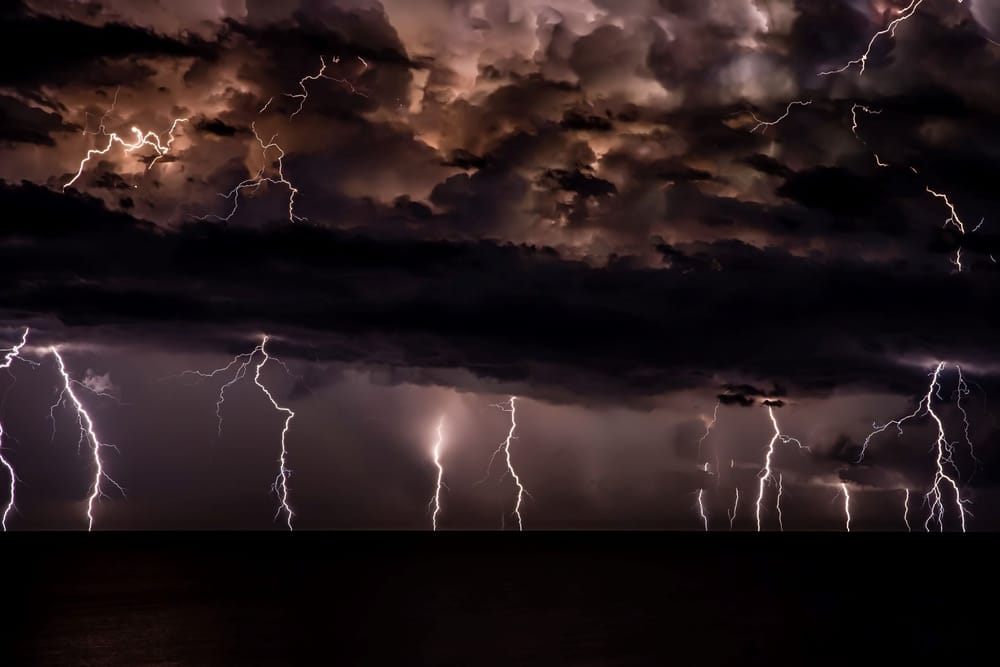
- Connect warmer air to heavier rain, hurricanes, and wildfires
- Unpack why disasters hit vulnerable people hardest
- Discuss: should governments relocate at-risk communities?
What Happens If We Cut Down All of a City's Trees?
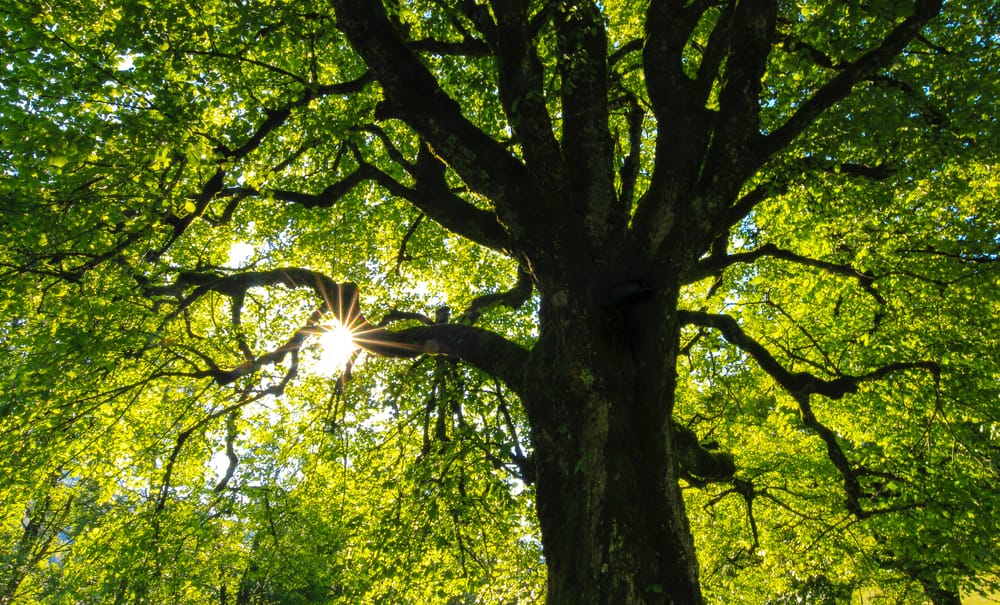
- Visit ancient Uruk and Anuradhapura through animation
- List what trees do: filter water, cool air, lift mood
- Research how one city (like Singapore) greens itself
Climate Change: Earth's Giant Game of Tetris
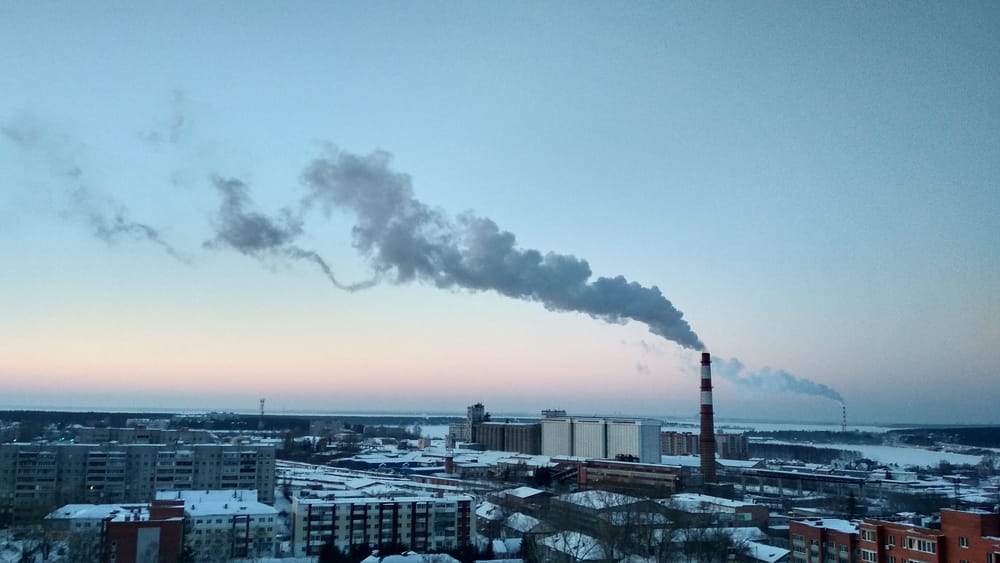
- Play five minutes of Tetris, then write the metaphor
- Watch carbon stack up as sinks disappear
- Revise your notes: where does the analogy hold — and break?
We've Ignored Climate Change for More Than a Century
- Meet Foote and Tyndall, studying gases in the 1850s
- Trace 200 years from discovery to delay
- Discuss: why do humans struggle to act on evidence?
Climate Solutions 101: Making It All Happen

- Learn Foley's three waves: policy, capital, culture
- Pick one solution or accelerator to research
- Present findings as a slideshow, comic, or mini-TED talk
The Cost of Carbon

- Survey the economic and human costs of a warming world
- Note: 2013 footage, but the trend lines hold
- Weigh mitigation spending vs the price of doing nothing
How Regenerative Agriculture Curbs Climate Change
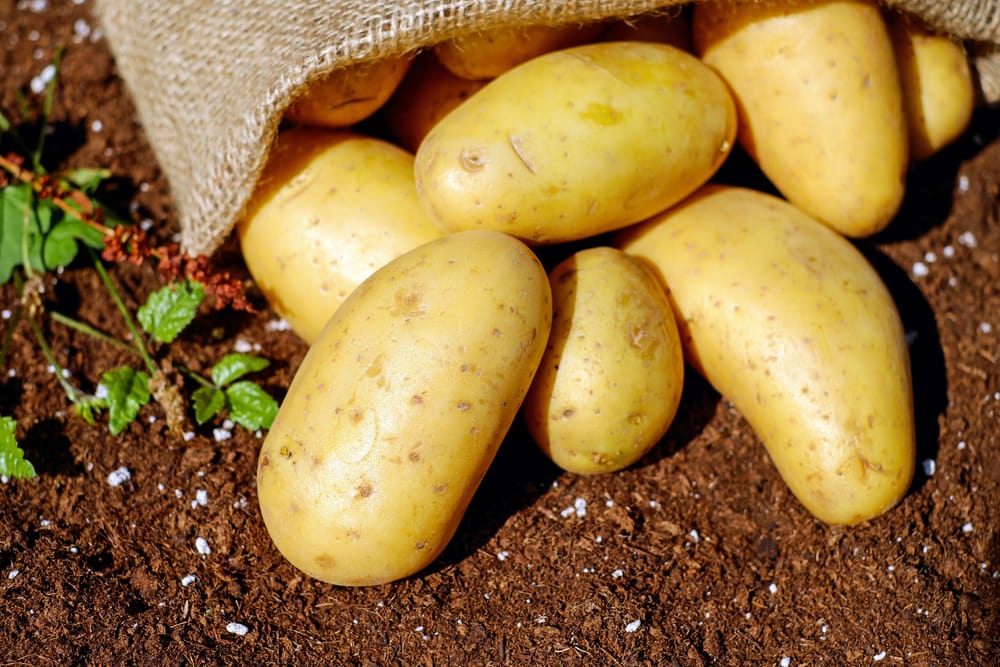
- Contrast industrial vs regenerative farming
- See how no-till, cover crops, and trees build soil
- Find a local sustainable farm to visit or video-call
How Climate Change Has Intensified Hurricane Season
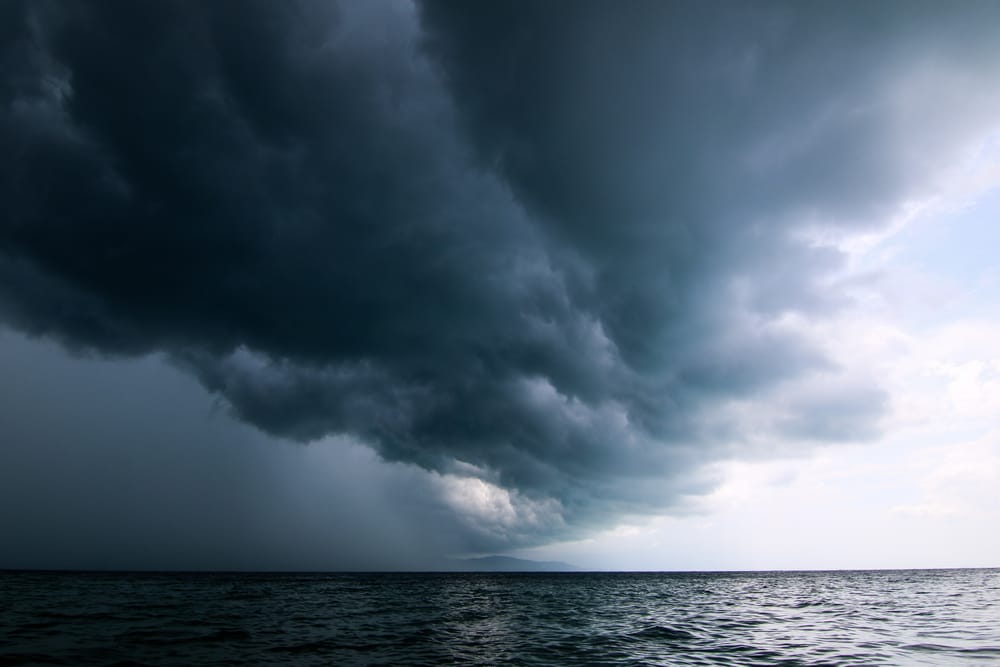
- Learn why warmer oceans brew slower, wetter storms
- Hear Hayhoe on hurricanes hitting the Gulf Coast
- Map who is most vulnerable — and least responsible
Frequently asked questions
Which climate videos work for upper elementary (grades 3-5)?
Youth Climate Stories (grades 3-12) is the best fit: 22 short videos narrated by youth activists about local impacts like drought, wildfires, and sea level rise. What Happens If We Cut Down All of a City's Trees also appeals to grades 3-5 with its friendly animation. Use the grade-band filter to show only matching videos.
What are good climate videos for middle school?
All thirteen 6-8 videos work well: start with Our Climate Our Future (11 short chapters) or Youth Climate Stories, then try reader favorites like the Tetris carbon metaphor, the 1958 Science Hour film, Who Is Responsible, and the diet video. Each runs just a few minutes, so they fit easily into a lesson.
Which climate videos suit high school?
The two 9-12-only videos go deeper: Why Climate Change Makes Extreme Weather Worse (serious, mature tone on hurricanes, floods, and adaptation) and The Key to Fighting Climate Change with Katharine Hayhoe (hopeful framing plus role-play practice for climate conversations).
How long are these videos?
Most run just a few minutes — the source guide notes teachers use them as lesson hooks, warm-ups, or homework. The two series take longer: Our Climate Our Future has 11 chapters and Youth Climate Stories has 22 videos, designed to spread across weeks or a school year.
How can I use these videos in class?
Play one as a hook at the start of a unit, assign it as homework with journal prompts (how did it make you feel, what will you do?), or show one per week as a recurring routine. Several videos link to worksheets, articles, or activities for follow-up.
Do I need an account or special setup to show these?
No — each card links to the free resource page on SubjectToClimate. You only need a device with internet and something to play video and sound. Check each resource page for linked worksheets or discussion guides.
Keeping students engaged can be a challenge, but outstanding videos help. Whether you are teaching agricultural methods, the greenhouse effect, or severe weather, SubjectToClimate has you covered — start with one video above, then explore the resource database for more.
✉️ Want a new classroom-ready video each month? Get our free newsletter.