
Green Careers for Students
Written by

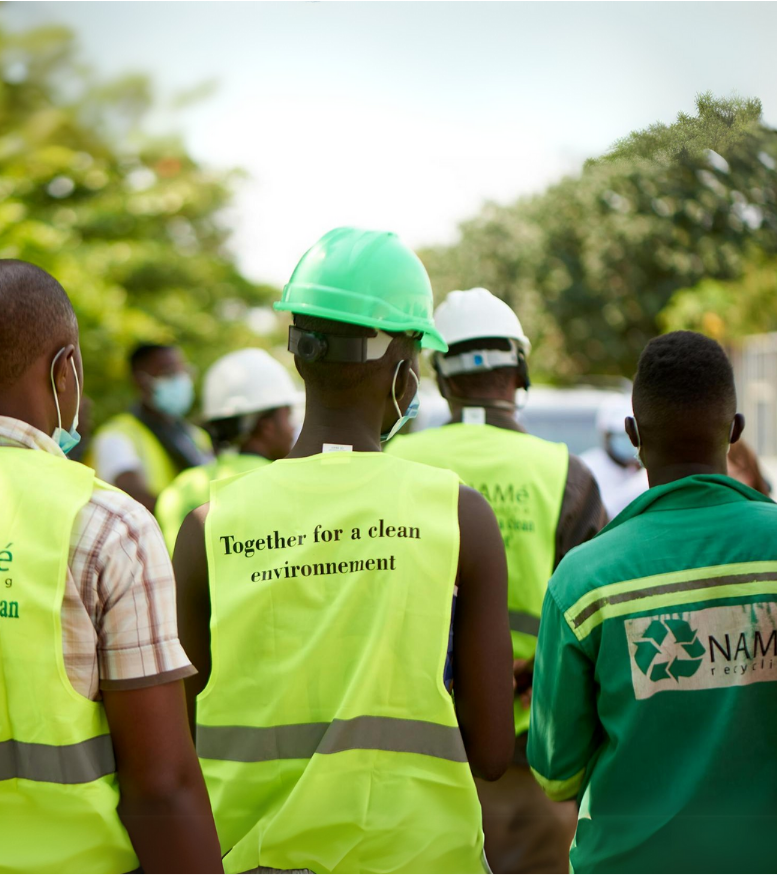
Helping Students Find Their Place in a Greener Future
As educators, we know that preparing students for the future goes beyond academics—it’s about nurturing their sense of purpose and agency in an ever-changing world. Career exploration is one of the most powerful ways we can do that. It helps students build self-awareness, develop green skills, discover pathways that excite them, and create a vision for our collective future. And in today’s world, that future is being shaped—every day—by climate change. Every career path our students might pursue will be influenced by the changing climate and, in turn, will influence it. That’s why it’s essential that career exploration begins early and be rooted in a climate lens. When students connect their interests to the challenges and opportunities of a changing world, it doesn't just spark curiosity—it builds hope. It helps them see themselves as part of the solution. Green New Careers are not just about clean energy or engineering—though those are important. They’re about long-term, living-wage jobs that restore ecosystems, care for communities, and strengthen the resilience of our society. Some wear hard hats; others carry notebooks, stethoscopes, or lesson plans. There’s a place for every student in this future, and as teachers, we have a chance to help them find it. Through sustainability education and exposure to climate action projects, students begin to understand how their personal choices and professional aspirations can contribute to positive environmental change.
Green Career Ideas and Resources
Green careers for students span every industry—from clean energy job opportunities and sustainable agriculture to careers in environmental science and urban planning. Many of these roles center around renewable energy awareness and green technology integration, giving students the chance to explore how innovation can drive environmental solutions. By introducing students to a variety of climate change careers and sustainability career pathways, we help them see the many ways their passions can make a difference. The resources below showcase green job readiness skills and offer accessible, exciting climate change classroom ideas that bring these careers to life, allowing students to explore real-world roles and imagine their own place in a more sustainable future. Invite your students to explore the eco-friendly jobs and green STEM careers below.
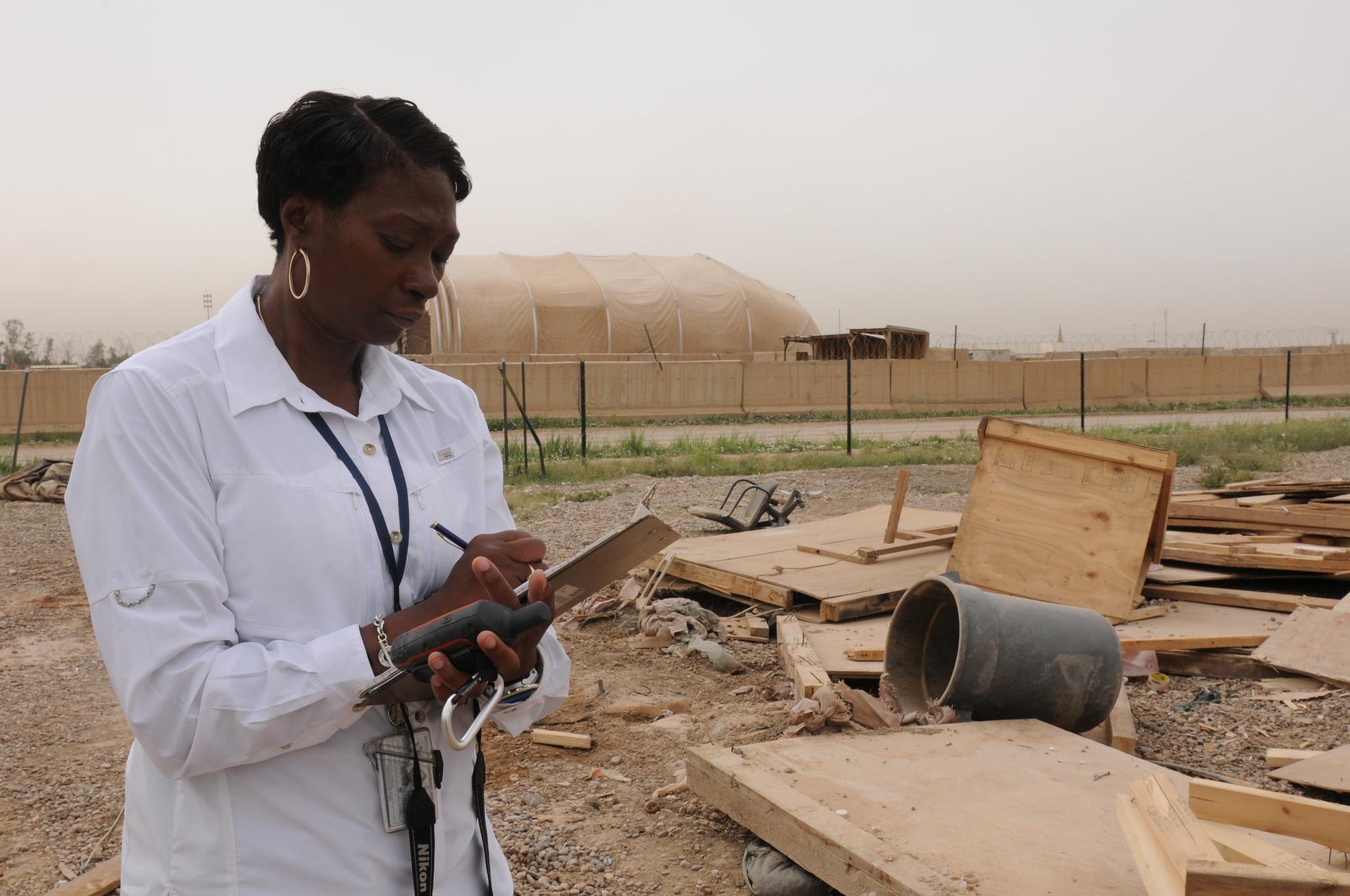
Environmental Engineer
Environmental engineers use principles of engineering, chemistry, and biology to reduce the negative environmental impact of human systems. This translates to improvements in the health of both humans and ecosystems. Environmental engineers create sustainable solutions to improve conditions in societies such as pollution, water quality, and waste disposal.

Urban Transportation Planner
Urban planners with a transportation focus identify community needs to develop solutions that most effectively use a community’s land and infrastructure. They work with community stakeholders and analyze economic, environmental, and social trends that help in the development of, for example, planning new parks, sheltering the homeless, and making a region more attractive to businesses. Urban planners may specialize in areas including transportation planning or historic preservation.
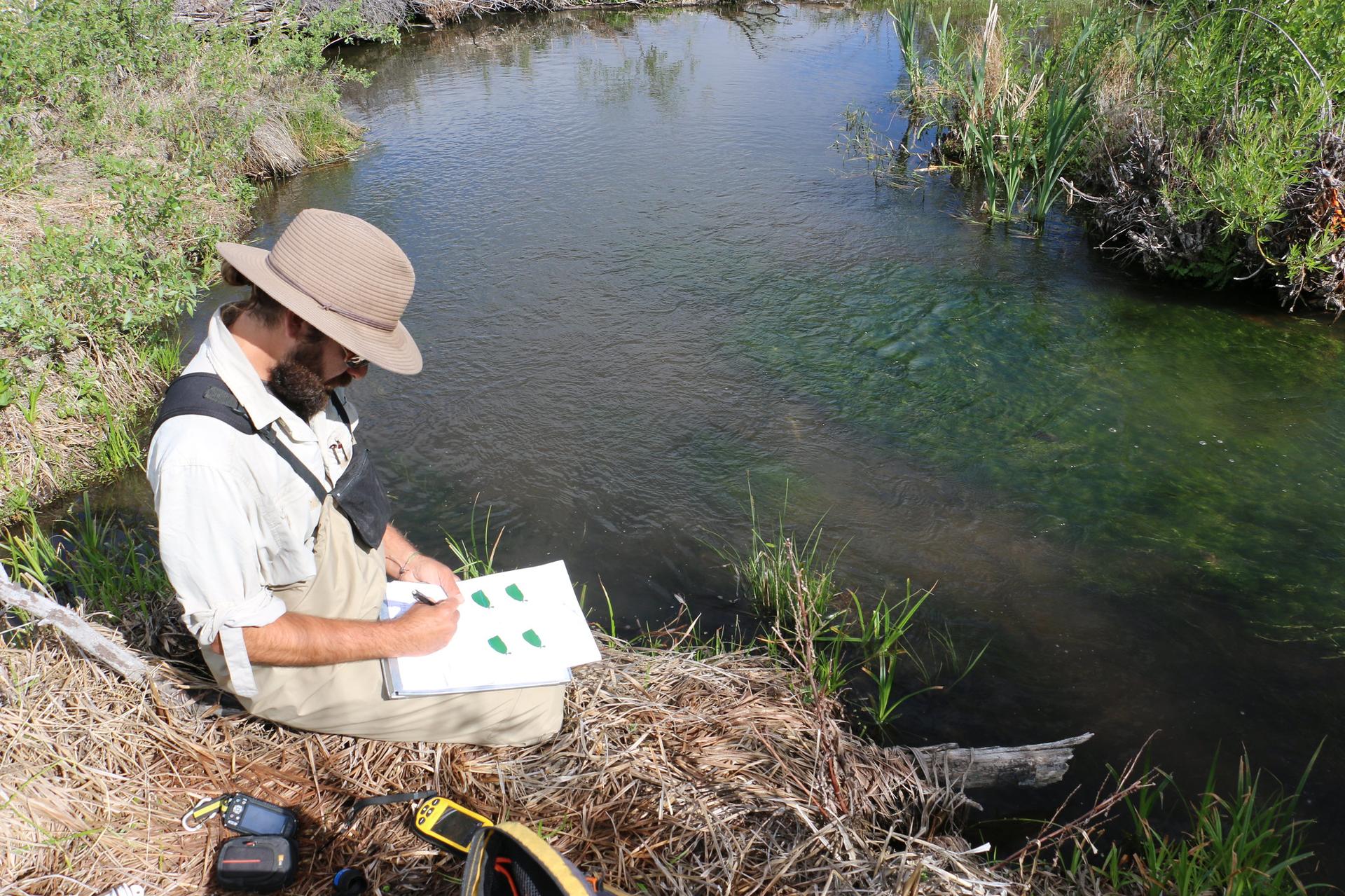
Environmental Management Specialist
Environmental specialists use their knowledge of natural sciences to protect and improve the environment. The scope of work for this field is very large, from soil analysis to stormwater pollution to waste reduction plans. They also improve human health by actively preserving the environment.
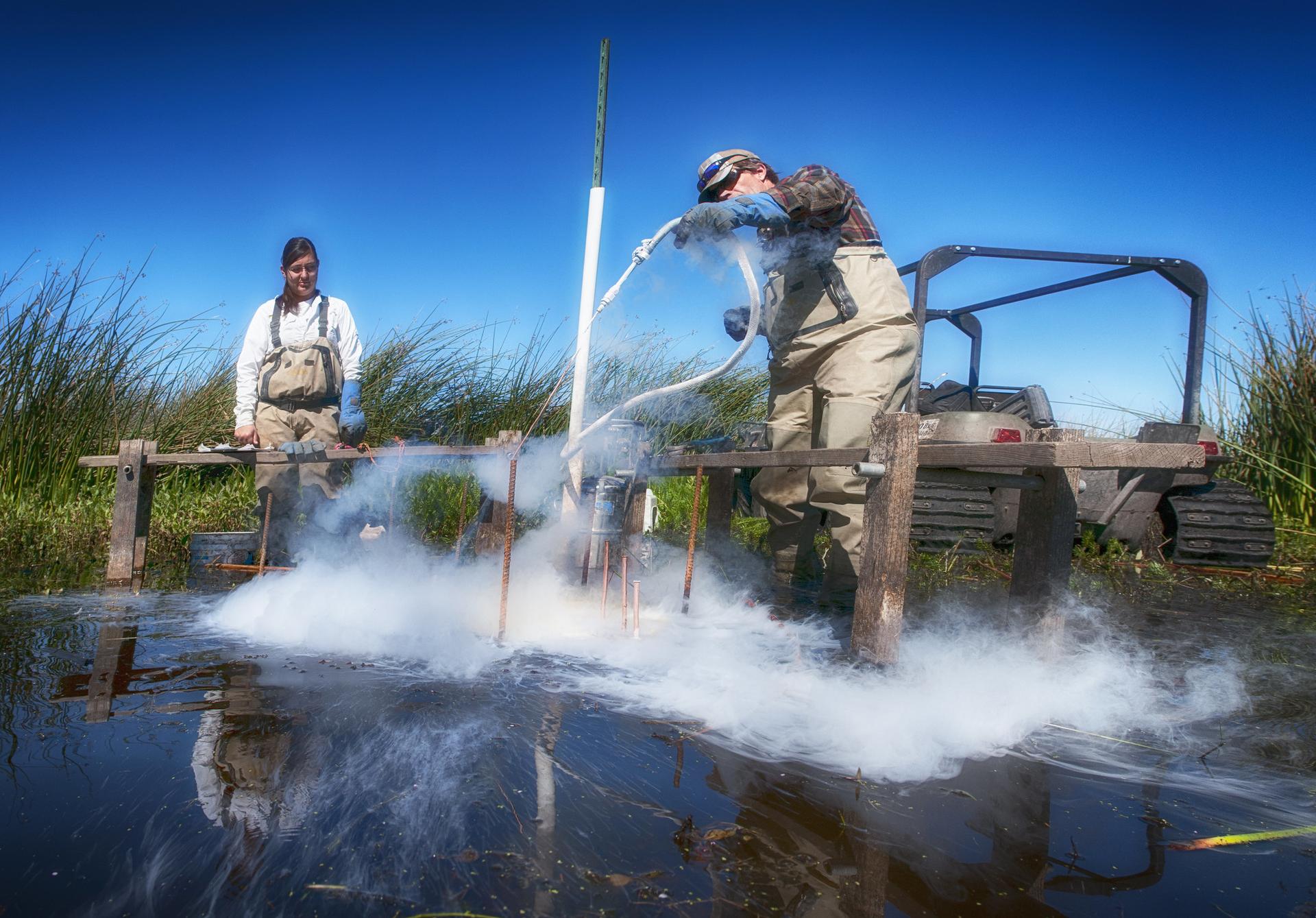
Hydrologist
Hydrologists research the effect and status of water, ranging from rain to snow, within an outdoor habitat. They work with other scientists to ensure that water supports both the people and environment of a region. Hydrologists achieve this by analyzing how water is distributed throughout a terrain, and then using problem-solving to maintain ideal water flow conditions.
Urban Forester
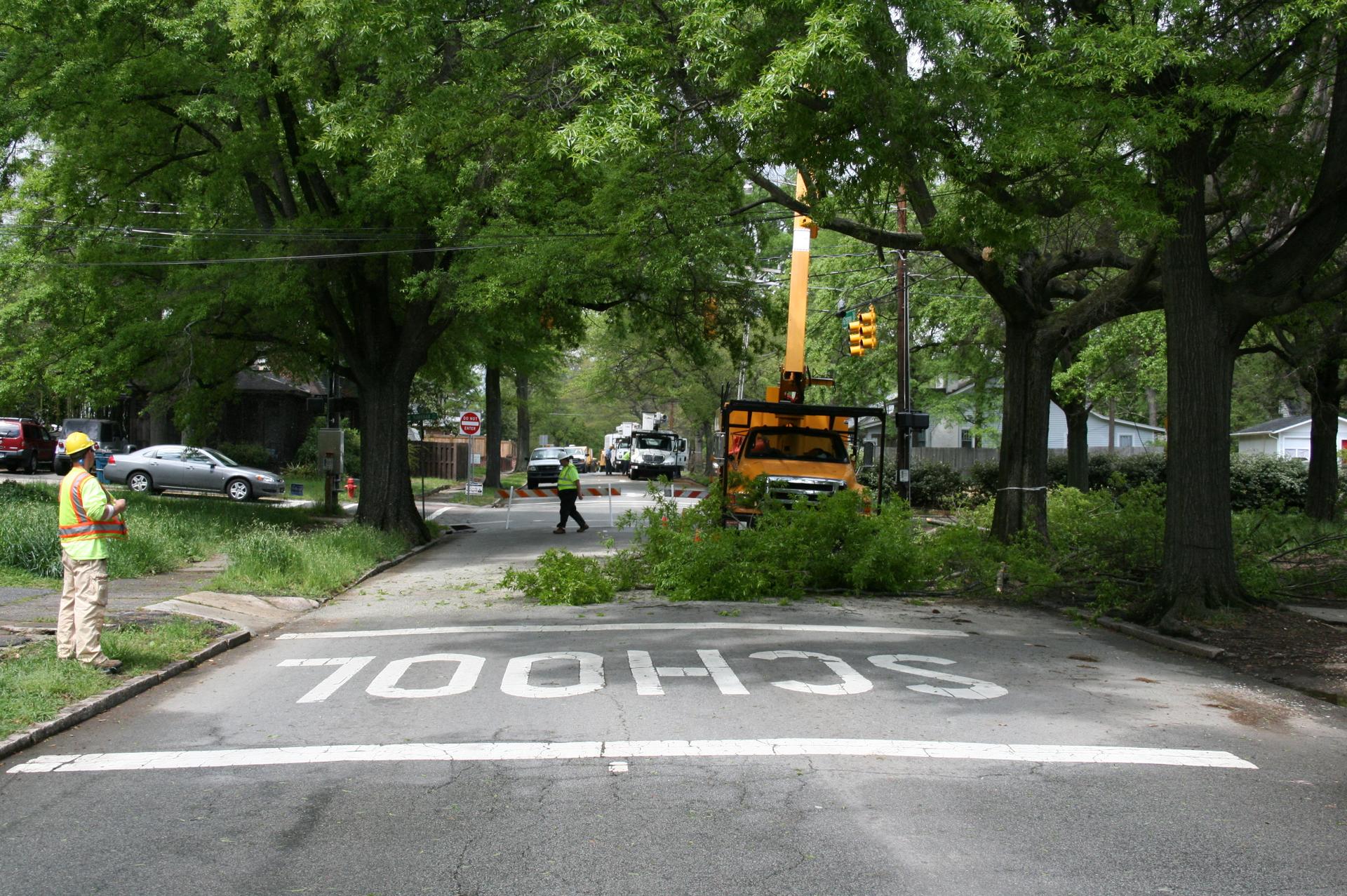
An urban forester, closely related to an arborist, focuses on managing trees in an urban environment. This could range from analyzing tree canopy growth to overseeing the planting and protection of new trees. Urban foresters help ensure that trees in cities are available and healthy for recreational, environmental, and economic community purposes - making this another great green career for students.
More Careers!
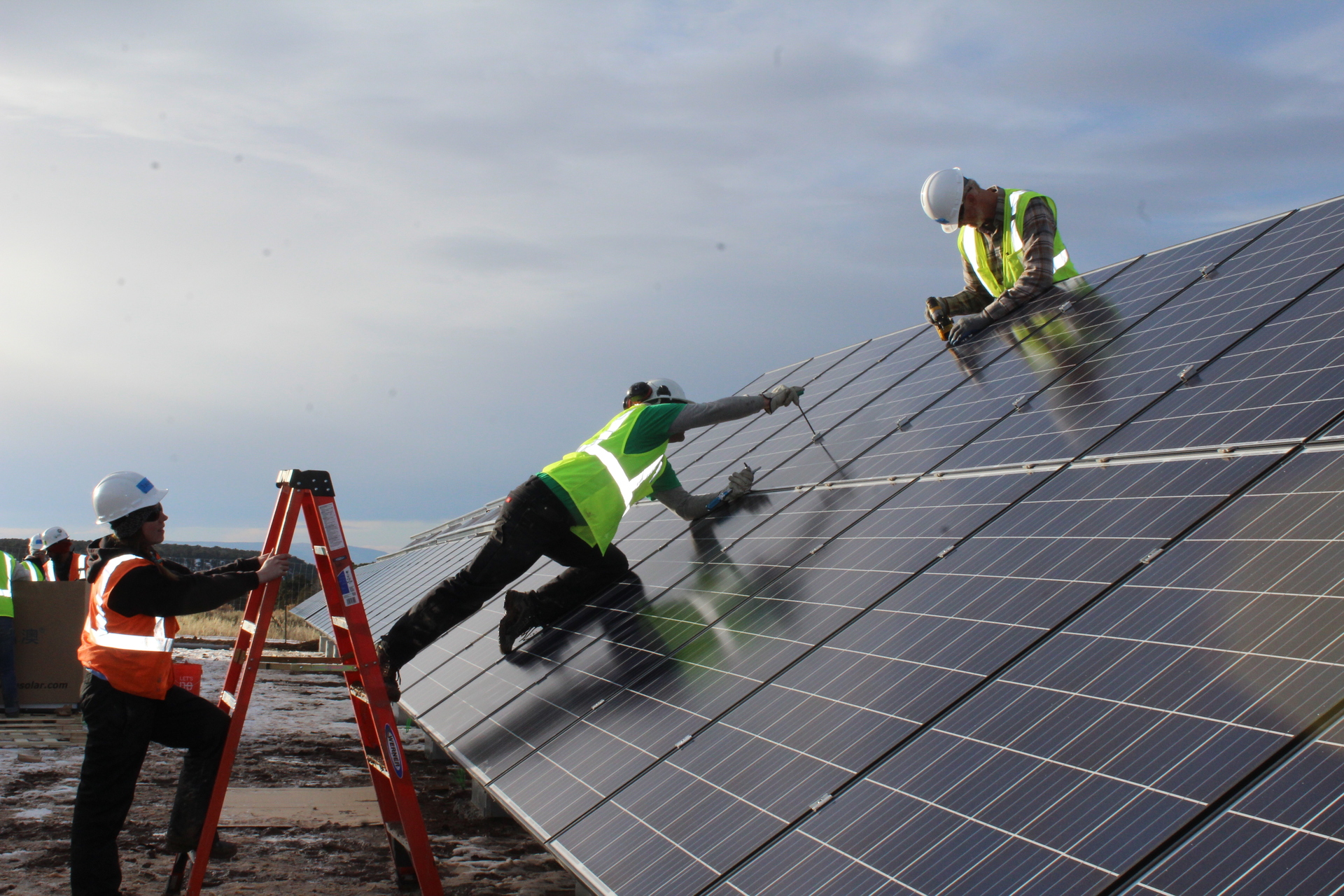
These roles represent a wide spectrum of renewable energy careers and sustainable development jobs that can spark interest and engagement from young learners. Many of these professions support the Sustainable Development Goals, offering real-world pathways aligned with global efforts to create a better future.
Activities for the Classroom
This collection of green career resources introduces students to a wide range of climate-focused professions—from clean energy engineers to city sustainability leaders. Through real-world examples, interactive lessons, and hands-on activities, students will explore how diverse roles like program managers, architects, and Chief Heat Officers contribute to climate solutions. They’ll learn about sustainability career paths in government, the importance of systems thinking and curiosity, and how everyday challenges like extreme heat and food waste are tackled by professionals in the field. Classroom discussions may naturally extend to waste reduction strategies, highlighting how different careers address environmental challenges from multiple angles. Whether analyzing data, designing creative solutions, or hearing firsthand from experts, students will gain inspiration and insight into how they can become the next generation of green changemakers. Sustainability education, paired with carbon footprint education, gives students the tools to recognize their impact and act with intention.
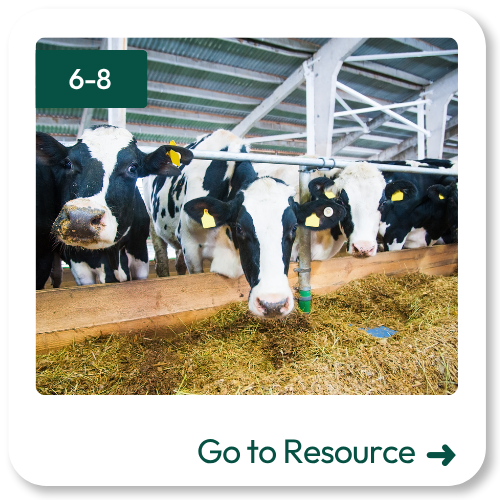
Green Careers & ELA Lesson: Cow Burps & Methane Emissions
In this lesson, students explore the impact of methane emissions from agriculture, work together to research and develop innovative solutions, and discover climate-related careers by choosing a project pathway that connects science, sustainability, and real-world problem solving.
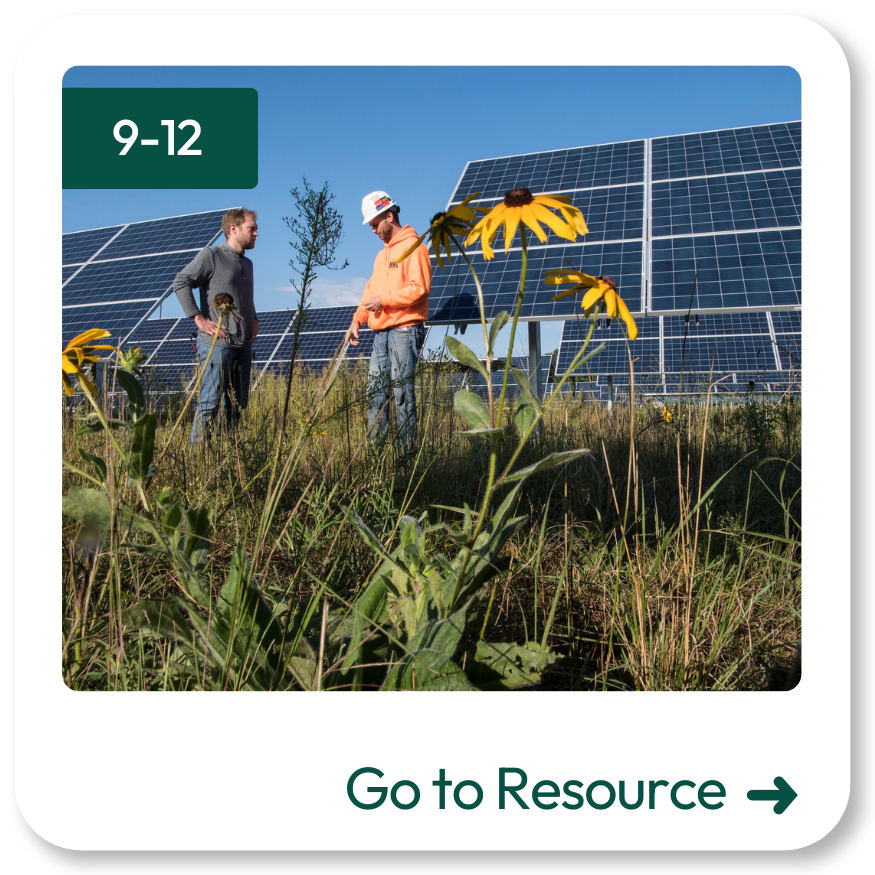
Clean Energy Jobs
This informative resource features a clean energy job board and details careers in the clean energy field, including roles like engineers, scientists, and program managers. Students will explore employment opportunities within the federal government—particularly the Office of Energy Efficiency and Renewable Energy—and discover how these careers contribute to a team of clean energy champions.
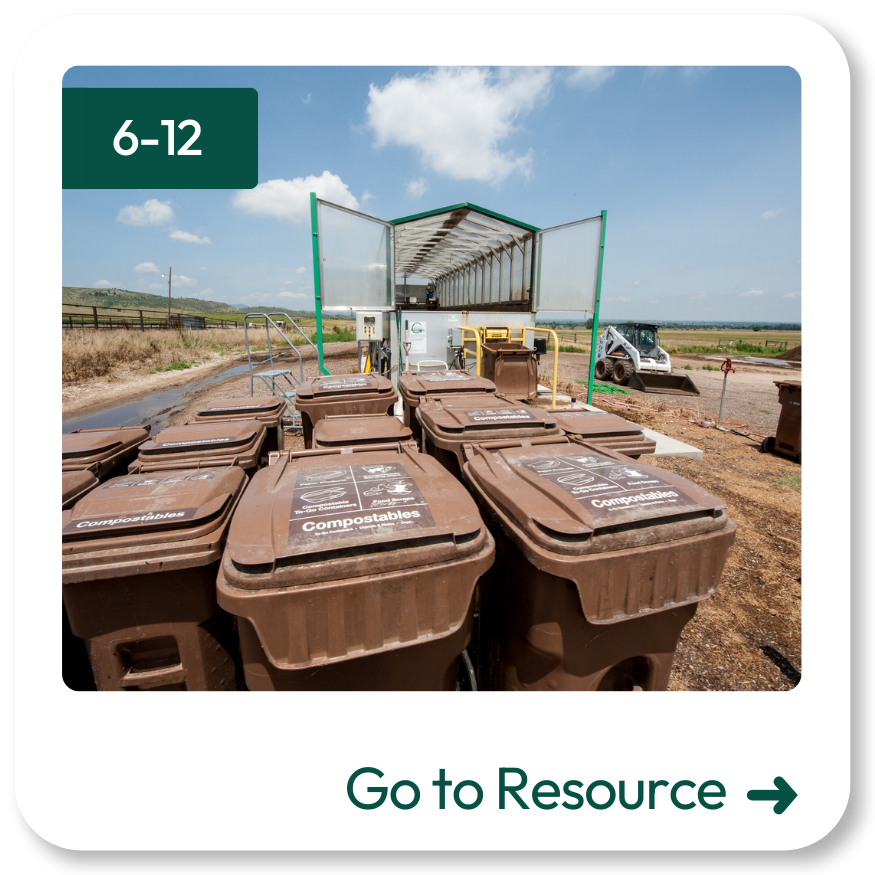
Green Jobs in the Field: Jennifer McDonnell
In this article, Jennifer McDonnell shares her experiences as a Resource Recovery Program Manager for the NYC Department of Environmental Protection and offers advice to young people interested in climate careers. Students will learn how wastewater and food waste can be transformed into energy and materials, and gain insight into the value of persistence and curiosity in the field.
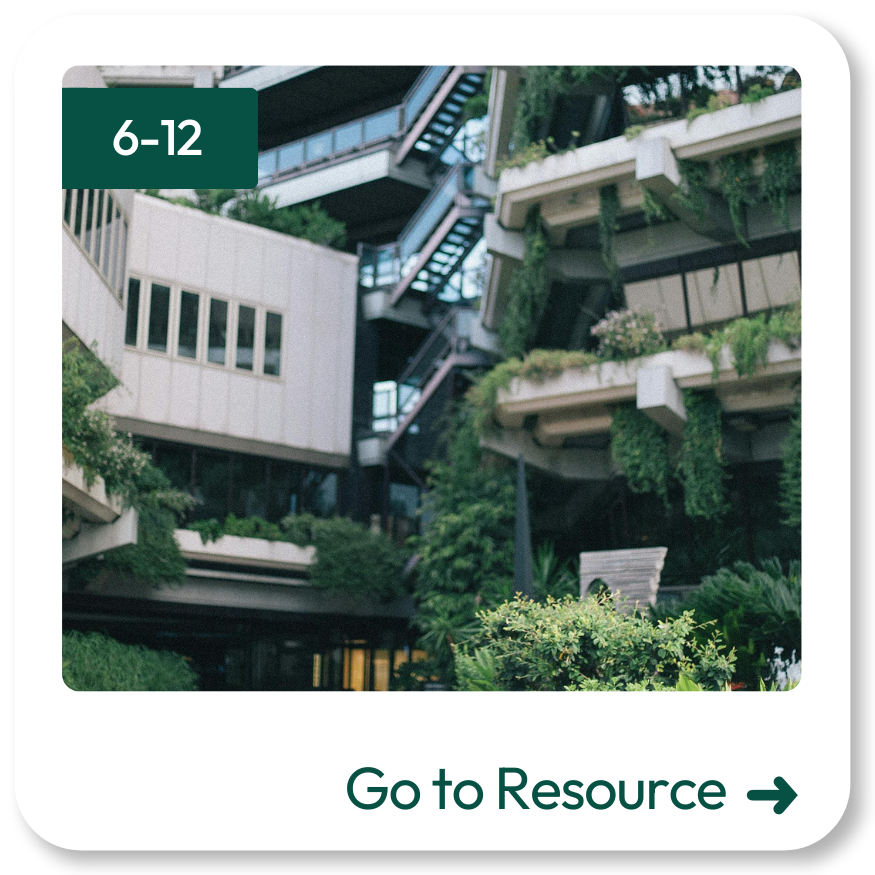
Green Jobs in the Field: Mark Chambers
In this article, Mark Chambers, Director of the NYC Mayor's Office of Sustainability, explains how his background in architecture supports his work as a problem-solver and systems thinker. He also highlights two key climate issues he is passionate about: green buildings and plastic pollution.
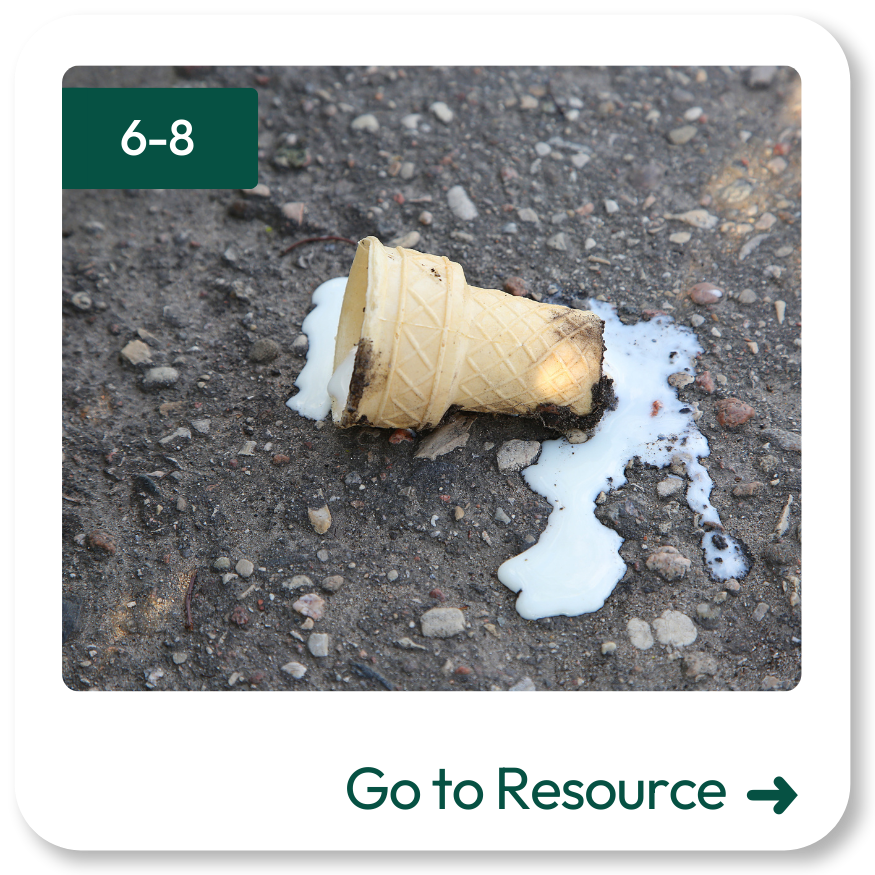
Chief Heat Officer: Green Career Lesson
In this lesson, students explore the emerging climate career of a Chief Heat Officer and develop solutions to extreme heat challenges in their community. Through inquiry, investigation, and creative problem-solving, they learn about global CHOs and imagine taking on the role themselves to make a local impact.

Green Careers for a Changing Climate
This collection of resources from Climate Generation introduces students to green careers and engages them in hands-on climate solutions, from sustainability projects to energy audits and food waste reduction. While some content is Minnesota-specific, students nationwide can explore climate change concepts, analyze data, and learn through activities like a carbon cycle game and a short documentary.
Next Steps
Green careers aren’t just jobs—they’re pathways to purpose. As educators, we have the unique opportunity to help students see that their skills, passions, and values can align with meaningful work that benefits both people and the planet. Start small: introduce a green career spotlight into your next lesson, encourage students to reflect on their interests through a climate lens, or explore the green skills already embedded in your curriculum. You might even incorporate waste reduction strategies into your classroom routines or highlight student-led climate action projects as part of your instruction. And when you're ready for more, SubjectToClimate.org is here to support you with free, standards-aligned resources that make it easy to bring green learning into any classroom. Together, we can empower every student to find their place in a greener, more just future.
Ready to learn more? Sign up for our FREE Professional Development Course: Teach Green Skills & Support Student Career Exploration.
Frequently asked questions
Quick answers for teachers planning career exploration or a green skills unit.
What are green careers?
Green careers are jobs that help protect, restore, or sustain the environment and the communities that depend on it. They include long-term, living-wage roles in clean energy, water, conservation, sustainable building, transportation, education, and community resilience.
What are examples of green careers for students?
Examples include environmental engineer, urban transportation planner, environmental management specialist, hydrologist, urban forester, energy engineer, ecological restoration training coordinator, community educator, solar company founder, and Chief Heat Officer.
Which school subjects connect to green careers?
Nearly all of them. Environmental engineering draws on science and math, urban planning connects to social studies and civics, and career storytelling fits naturally into ELA. That makes green career exploration easy to embed in units you already teach.
How do I introduce green careers in the classroom?
Start with a short career spotlight: share one role, what the person does, and the subjects they use. Follow it with a discussion or a linked lesson. Repeat weekly, then invite students to research a role that matches their own interests.
Why is green career exploration important?
Career exploration builds self-awareness, green skills, and hope. It helps students see that their interests can connect to meaningful work and that they can be part of the solution to climate change.
Where can I find more green career resources?
Browse the career profiles and classroom activities on this page, explore the SubjectToClimate resource library, or take the free Teach Green Skills course.
Teacher Guides & Climate Explainer

Nita Seng
Chief Innovation Officer
Nita Seng, MBA, Ed.M., is SubjectToClimate's Chief Innovation Officer. She brings nearly 15 years of experience spanning classroom teaching, instructional design, and educational leadership, including roles at Brooke Charter Schools and Para Los Niños. At SubjectToClimate, she leads the Innovation Department, building the organization's capacity to experiment, learn, and adapt in a rapidly changing climate education landscape. She holds a Master of Business Administration from Assumption University, a Master of Education in International Education Policy from the Harvard Graduate School of Education, and a Bachelor of Arts in Secondary Education and Teaching from Wellesley College. Outside of work, Nita has completed multiple yoga teacher training programs in Rishikesh and Mysore, India.
View Nita's profile →