
Green Skills for Students
Written by

Reimagining Green Skills in the Classroom
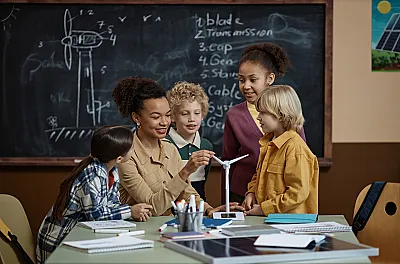
As teachers, we’ve always adapted to meet the needs of our students—and our world. We remember the call to integrate 21st-century skills into our classrooms: collaboration, critical thinking, digital literacy, and problem-solving. We took on that challenge because we knew our students needed to prepare for a rapidly changing future. Today, we’re facing another call. This time, it’s about preparing students for a just transition to a green economy by equipping them with green skills—skills that will help them navigate and actively shape a more sustainable and equitable world.
Sustainability education activities and interdisciplinary learning allow students to explore the complexities of climate change through different lenses—such as renewable energy awareness, carbon footprint education, and eco-friendly practices—empowering them to see themselves in roles that contribute to real solutions. And just like 21st-century skills, green job readiness skills are not confined to one subject or one kind of student—they’re essential for all.
Defining—and Expanding—Green Skills
How we define green skills matters. The Global Green Skills Report 2023 provides a helpful starting point, highlighting the need for instrumental (technical) and transformative (mindset-shifting) skills. Yet, other frameworks, like the one from Kwauk & Casey (2021), challenge us to think even more broadly. In their view, any job can become a green job if the tasks and outcomes shift in greener directions—and the same goes for skills. That means our lesson plans don’t need to be entirely rewritten; they need to be reimagined through a green lens.
The most in-demand green jobs today require not only technical know-how but also strong interpersonal, socio-emotional, and digital skills. As noted in CHOOSING OUR FUTURE: Education for Climate Action, nearly 94% of business leaders expect employees to learn new skills on the job—a reminder that adaptability, curiosity, and a growth mindset are as important as any technical skill.
Teaching for Equity
As we step into this space, we must also confront the inequities embedded in our education and workforce systems. During a Climate Generation workshop, Christina Kwauk shared that green learning opportunities are not equally distributed across communities. Fields of study connected to green jobs are often inaccessible to underrepresented students, and the green economy remains stratified by race and gender. But teachers are champions for justice.
We can center justice in our climate instruction by giving students opportunities to apply critical thinking, explore power dynamics, and connect environmental data to their own lived experiences—whether through classroom discussion or hands-on climate action projects. Green skills often overlap with the standards we’re already teaching. The activities below include standards-aligned, ready-to-use teaching resources that can help you integrate green skills into your lessons. We hope these examples affirm what you already know: you’ve been doing this work. You’ve been helping students build a better future—and now, with a climate and justice lens, we can do even more.
Making the Connection: From Resources to Green Skills to Green Careers
One powerful way to deepen green skill-building is by drawing a clear line from the content students engage with, to the skills they practice, to the careers they can one day pursue. For example, in a lesson focused on science communication, grades 3–5 students explore a real-world green career that involves translating complex climate and weather data into accessible messages for the public.
Through career awareness, students are introduced to the role through news clips and videos that show the purpose and impact of science communication. In the career exploration phase, they take on the role themselves—preparing presentations based on real climate data and tailoring their messages to different audiences. Finally, through career identity, students reflect on whether science communication aligns with their interests and values.
In doing this, they develop critical green transferable skills:
- Communication, by practicing public speaking, writing, and presentation design.
- Critical thinking, through analyzing data, evaluating audience needs, and crafting clear, purpose-driven messaging.
- Collaboration, by working in teams, giving feedback, and coordinating shared presentations.
This isn’t just about learning—it’s about imagining themselves in meaningful careers that serve people and the planet. When we connect green skills and eco-friendly practices to real opportunities, we help students move from curiosity to confidence, from content knowledge to future pathways. That’s what green learning is all about.
Green Skills Activities
Green skills aren’t limited to one subject—they can be woven into every classroom through engaging, standards-aligned activities. The resources below help students build essential green transferable skills like communication, critical thinking, collaboration, and digital literacy while exploring real-world climate topics. From analyzing greenhouse gas data to designing nature-friendly cities and exploring waste reduction strategies, these interdisciplinary lessons connect content to meaningful action and open the door to future green careers. Whether your focus is science, reading, or social studies, these activities empower students to imagine themselves as problem-solvers in a more just and sustainable world—while also strengthening their environmental literacy.

An Ocean of Opportunity
In this module, students will learn about the economic, technological, and career opportunities related to the ocean. They will explore industries like aquaculture and fishing, renewable ocean energy, and innovations in ocean biotechnology.
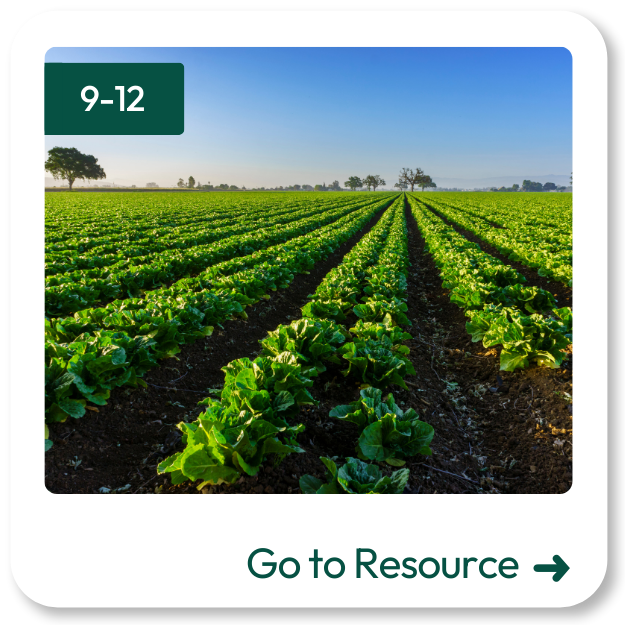
Demetrius Milling: Collaborative Farming for a Livable Future
This video features Demetrius Milling, a passionate worker-owner at Love Is Love Cooperative Farm, discussing how the farm is leading innovative climate solutions and encouraging others to get involved. Students will learn about the farm’s efforts to provide organic food, reduce the local carbon footprint, and support the community.
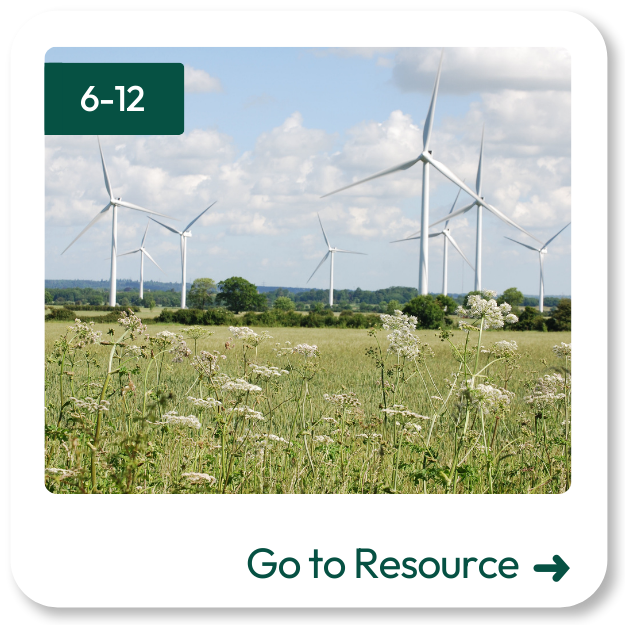
Climbing Wind Turbines for a Living
In this video, wind turbine technician Jessica Kilroy shares her story and describes a typical day on the job in Plymouth, Massachusetts. The article also includes statistics on the growth of wind power in the U.S. and resources about military veterans working in the wind industry.
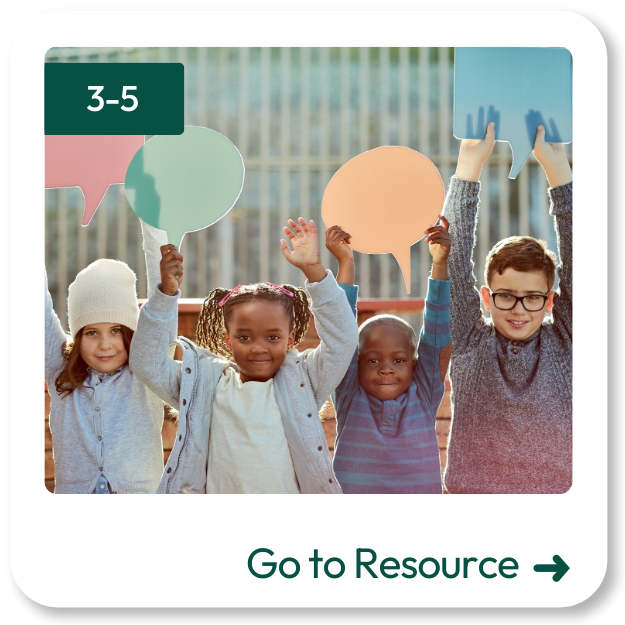
Green Careers: A Public Speaking Lesson
In this lesson, students take on the role of science communicators, exploring patterns in temperature change over time. As they analyze data, consider audience perspectives, and craft clear, purpose-driven messages, they build essential green transferable skills—particularly critical thinking and effective communication.
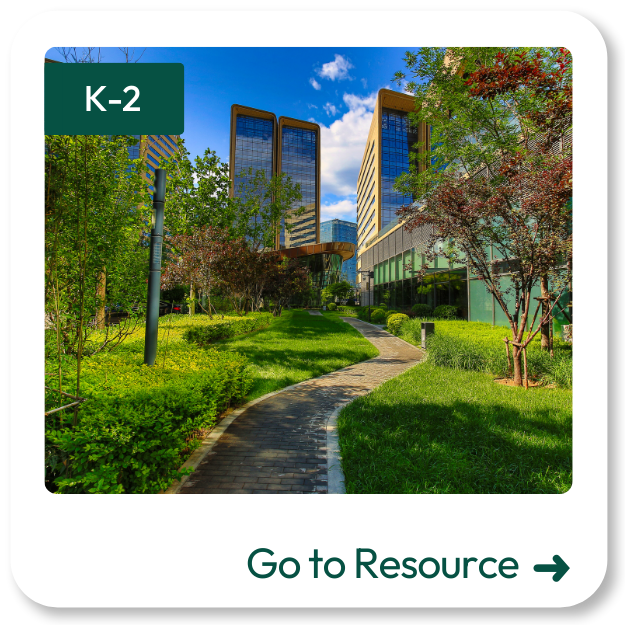
Nature in Cities: Design Thinking Lesson
In this lesson, students learn about the benefits of having nature in cities and design a nature city of their own. Students use critical thinking skills – a key green transferable skill.
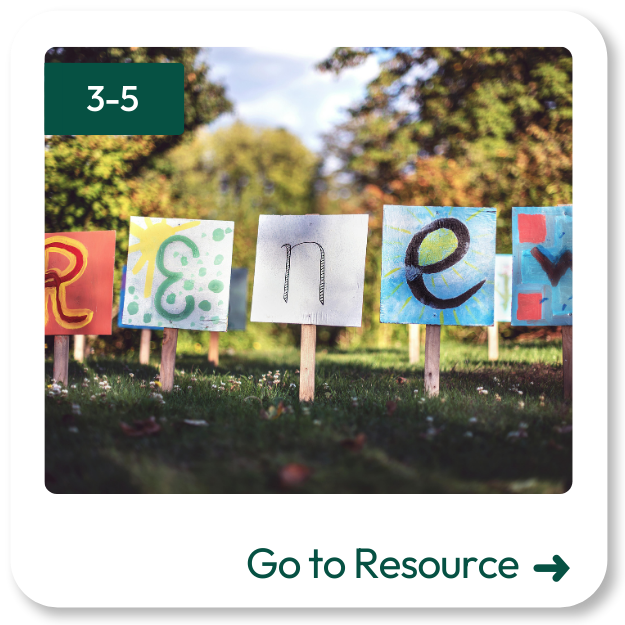
Reading & Writing Lesson: Renewable Energy
In this lesson, students discuss and evaluate artwork by Jill Pelto, read Sven’s Search for Clean Energy to learn about renewable and nonrenewable energy, and then demonstrate their learning through writing and drawing. Students will invent creative ways to communicate about climate change through a variety of artistic expressions.
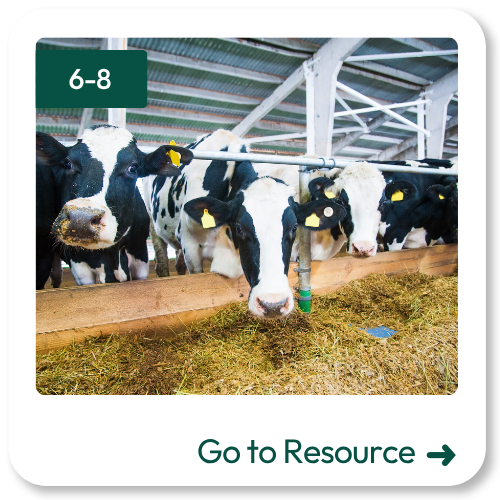
Green Careers & ELA Lesson: Cow Burps & Methane Emissions
In this lesson, students explore the impact of methane emissions from agriculture, work together to research and develop innovative solutions, and discover climate-related careers by choosing a project pathway that connects science, sustainability, and real-world problem solving.
Education as a Solution to Climate Change Lesson
This lesson guides students to create their own education project as a means of informing and inspiring positive change. Students practice analytical skills to assess the impact of learning about climate change and design an educational program.
Next Steps
To continue exploring green skills for students as well as climate change classroom ideas, visit SubjectToClimate.org. Our site includes resources such as environmental science projects for high school, classroom recycling programs, and energy conservation activities. Whether you are a kindergarten teacher exploring community helpers or a high school counselor hoping to incorporate eco-friendly habits for teens, we have you covered! Ready to learn more? Sign up for our FREE Professional Development Course: Teach Green Skills & Support Student Career Exploration.
References
Teacher Guides & Climate Explainer
Frequently asked questions
Quick answers for teachers bringing green skills into any subject.
What are green skills?
Green skills blend technical know-how with mindset-shifting abilities: communication, critical thinking, collaboration, digital literacy, adaptability, and curiosity. They help students navigate and shape a more sustainable and equitable world, in any subject and any future career.
Do I need to rewrite my lessons to teach green skills?
No. Any lesson can become a green lesson when tasks and outcomes shift in greener directions. Reimagine what you already teach through a green lens, for example by adding real climate data, an audience-focused message, or a design challenge.
How do green skills connect to green careers?
Draw a line from content to skills to careers: students engage with real content, practice transferable skills like science communication, then meet the professionals who use those skills, from wind technicians to cooperative farmers. That path moves students from curiosity to career identity.
Which activities build green skills in this guide?
Eight standards-aligned activities: An Ocean of Opportunity, Demetrius Milling collaborative farming, Climbing Wind Turbines, the Green Careers public speaking lesson, Nature in Cities design thinking, the Renewable Energy reading and writing lesson, Cow Burps and methane emissions, and Education as a Solution to Climate Change.
How can I center equity while teaching green skills?
Give students chances to apply critical thinking, explore power dynamics, and connect environmental data to their own lived experiences through discussion and hands-on climate action projects. Green learning opportunities are not equally distributed, so teachers can be champions for justice by making them accessible to all students.
Where can I learn more about teaching green skills?
Explore the activities and references on this page, browse the SubjectToClimate resource library, or take the free Teach Green Skills course.

Nita Seng
Chief Innovation Officer
Nita Seng, MBA, Ed.M., is SubjectToClimate's Chief Innovation Officer. She brings nearly 15 years of experience spanning classroom teaching, instructional design, and educational leadership, including roles at Brooke Charter Schools and Para Los Niños. At SubjectToClimate, she leads the Innovation Department, building the organization's capacity to experiment, learn, and adapt in a rapidly changing climate education landscape. She holds a Master of Business Administration from Assumption University, a Master of Education in International Education Policy from the Harvard Graduate School of Education, and a Bachelor of Arts in Secondary Education and Teaching from Wellesley College. Outside of work, Nita has completed multiple yoga teacher training programs in Rishikesh and Mysore, India.
View Nita's profile →