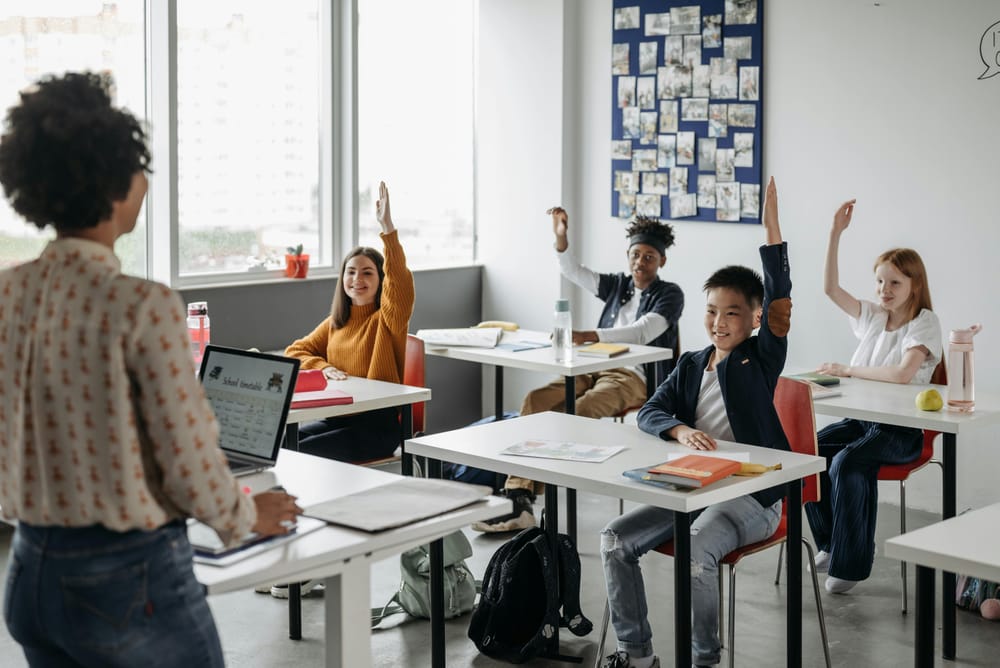
All over the globe, students are already taking action against climate change. This guide collects eight resources — videos, challenges, and full units — that move your students from learning about climate change to doing something about it, in their community and beyond.
Each resource below includes grade levels, subjects, and a direct link to the full page — with teaching tips and standards so you can feel confident even if teaching climate action is new to you. Use the filter to jump straight to what fits.
The 8 Action Resources
Showing 8 of 8 resources
Climate Action Template: Grades 6-12

- Work through a nine-step template for a school climate action plan
- Set SMARTIE goals that are inclusive and equitable
- Plan stakeholders, budget, timeline, and how to share results
Clara Kitongo: Going to the Roots to Find Your Climate Superpower
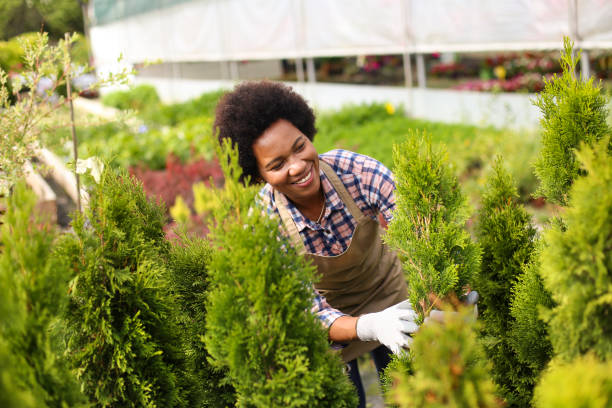
- Watch Clara's story of planting trees with One Tree Per Child
- Discuss carbon sequestration and connecting people with nature
- Plan your own tree-planting trip or schoolyard planting
I Dream of Green
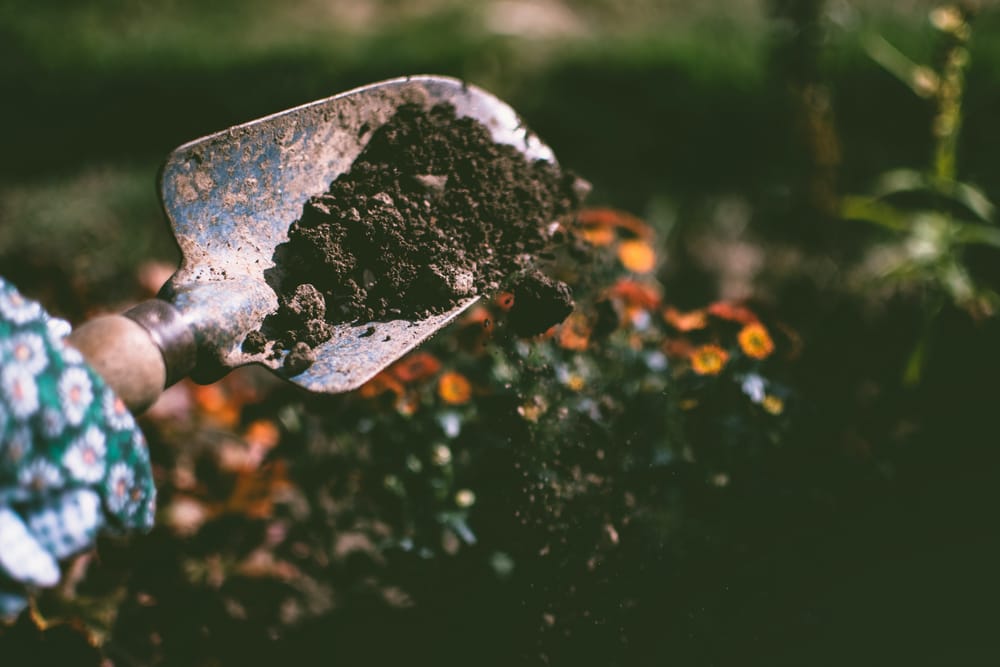
- Locate places in your community that need trees
- Advocate for planting trees where they matter most
- Plant trees and track your project's impact
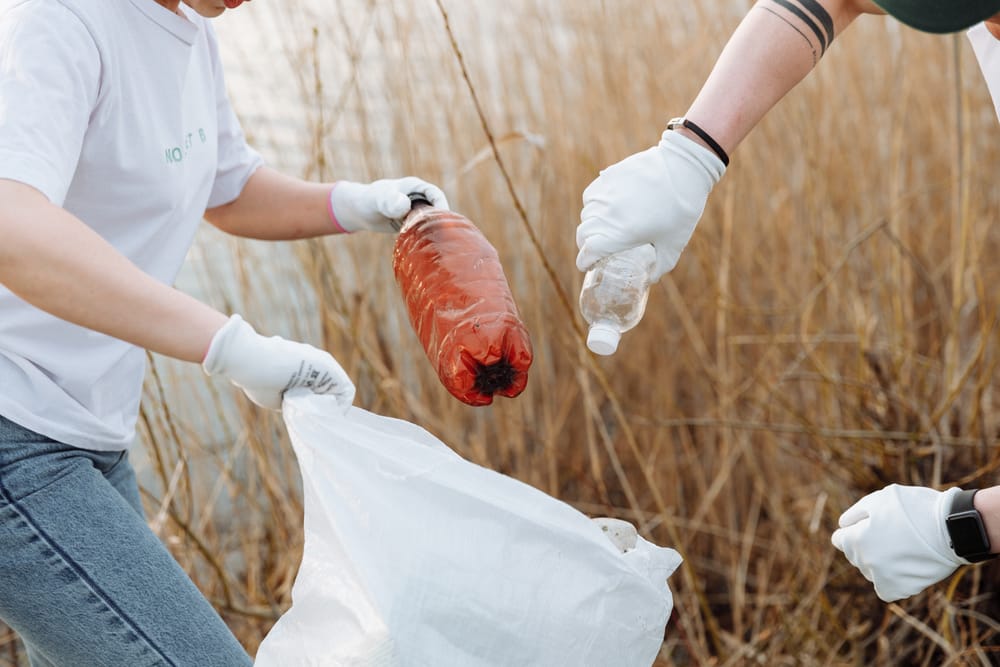
How to Keep Our Ocean Safe from Plastic Pollution

- Watch Vancouver students turn rescued plastic into marine art
- Discuss art as activism and thinking seven generations ahead
- Make art from clean plastic waste and display it at school
Climate Change, Food Production, and Food Security Unit
- Trace food from farm to table and its climate footprint
- Study how drought, floods, and heat hit real farms
- Design food-security solutions for your own community
Tom Mulholland: Reviving the Land Through Community Power
- Watch how one advocate greens Pittsburgh neighborhoods
- Learn how green spaces store carbon and build community
- List first steps for a green space near you
Green Spaces Unit (Elementary)
- Discover why green spaces are disappearing
- Connect land loss to justice and Indigenous communities
- Take action for a greener schoolyard or block
Renewable Energy Algebra Unit
- Calculate sunlight hours needed for a working solar panel
- Size home solar arrays and community wind farms
- Pitch your own green-energy plan with the math to back it
Frequently asked questions
Which resources fit upper elementary (grades 3-5)?
Two resources fit grades 3-5: I Dream of Green (find places that need trees, advocate, and plant them), the Green Spaces Unit (discover why green spaces disappear and take action for a greener schoolyard), and How to Keep Our Ocean Safe from Plastic Pollution (turn rescued plastic into marine art). Use the grade-band filter to show only matching resources.
What are good action resources for middle school?
Six resources fit grades 6-8: the Climate Action Template (nine steps to a school action plan), the Clara Kitongo tree-planting video, the Zero Food Waste Challenge, the Food and Climate Change unit, the Tom Mulholland green-spaces video, and the Renewable Energy Algebra unit. Each ends with students doing something real.
Which resources suit high school?
Four resources fit grades 9-12: the Climate Action Template, the Clara Kitongo video, I Dream of Green, and the Tom Mulholland video. They pair well with debates, research projects, and community action plans.
How much class time do these take?
Most videos and lessons fit within one class period. The three units take longer: the Food and Climate Change unit has six lessons, the Green Spaces unit runs multiple lessons with built-in calls to action, and the Renewable Energy Algebra unit has five lessons. Each linked resource page lists its suggested timing.
Do students need special materials?
Most need only a device to watch and everyday classroom supplies. Hands-on extensions may need gardening tools, seeds, or craft materials for posters and comics — check each linked resource page for a full materials list before you start.
How do I share student action projects beyond the classroom?
Have students present to another class, post on the school site, or share on social media with parent permission. The source guide notes that digital advocacy matters: student posts can inspire other schools in today's connected world.
Use these resources to engage your students in meaningful civic action against climate change. By focusing on activities like tree planting or sustainable food production, you will see them become proactive stewards of their community — and encourage them to share their efforts, because highlighting digital advocacy matters in today's connected world.
✉️ Want a new classroom-ready action resource each month? Get our free newsletter.
About the author
Mallory Swafford

A certified teacher (grades 1–6, middle-grades science) with a zoology degree from Southern Illinois University, now finishing a master's in high school biology. She loves teaching science and working with the SubjectToClimate team.