When I first found this amazing lesson plan, I have to admit, I was completely overwhelmed. There were just so many awesome activities to choose from, and being someone who isn't a teacher, I had no clue where to even begin. But then, something magical happened. I stumbled upon this incredible video by none other than Elizabeth Ward herself, a former early childhood, elementary, and English as a foreign language educator, the genius behind this lesson plan. Let me tell you, it was a game-changer. In this video, Elizabeth walks you through the activities step by step, making it super easy to follow along. Suddenly, what seemed like an impossible task became an exciting adventure waiting to happen.
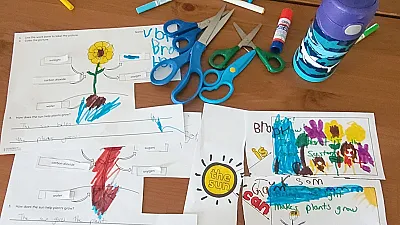
During the summer, it can be challenging to keep kids entertained and engaged in educational activities. That's why I love incorporating summer science activities into our routine. This activity was a huge hit with my 5-year-old. As he colored his picture, he made connections between the sun and plant health. It was amazing to see him express his understanding and explain, "The sun keeps plants healthy."
We then had a group discussion about the sun and what it means to them. Both of my kids enjoyed this process and eagerly shared their knowledge about the sun. Admittedly, it was a bit more challenging to keep my 6-year-old, who has ASD, engaged in the coloring activity. However, by constantly refocusing him on his task, he was able to participate. Additionally, I included an animated photosynthesis video from the lesson plan, which he thoroughly enjoyed. It's moments like these that make summer science activities so rewarding for both kids and parents alike.
There are numerous possibilities for utilizing this lesson plan. For instance, you could take a trip to the library and borrow the book "Sun Up, Sun Down" by Gail Gibbons for a captivating read-aloud session. This resource also provides various additional instructions for demonstrations, mini-lessons, and station activities to cater to different learning styles. This flexibility allows you to customize the lesson plan according to your kids' preferences. It also ensures that you can provide engaging and interactive activities that will enhance their learning experience.
Step-By-Step Guide — Total Time: 30 mins: Step 1: Print sheets; Step 2: Gather materials; Step 3: Begin Google Slides; Step 4: Use the anchor chart; Step 5: Watch the photosynthesis video; Step 6: Photosynthesis cut/paste activity.